Fiafia, explained
What is a fiafia night? Samoa's evening of food, song and fire
The word, the custom behind it, the dances you will see, the food on the table and where a visitor to Upolu can watch one.
Choose my Thursday ↗Quick answer
A fiafia night is an evening of Samoan dance, song and food. Fiafia means a celebration or happy get-together, and the older custom is an exchange of food, speeches, skits and dances between groups at big occasions. For visitors, hotels and resorts in Samoa stage their own fiafia nights, usually a buffet dinner followed by the siva, the fa'ataupati slap dance and siva afi, the fire knife dance. On Upolu, Le Manumea Hotel near Apia holds one every Thursday.
A fiafia night at a glance
| Part | What it is | Source |
|---|---|---|
| The word | A celebration or happy get-together | Wikipedia; Samoa Tourism Authority |
| The custom | Groups exchange food, speeches, skits and dances | Wikipedia |
| Siva | A slow, graceful storytelling dance | Samoa Tourism Authority |
| Fa'ataupati | A fast slap dance of clapping, slapping and stamping | Samoa Tourism Authority; Wikipedia |
| Siva afi | The fire knife dance, to a wooden drum | Samoa Tourism Authority |
| The food | A buffet, much of it from an umu of hot stones | Samoa Tourism Authority |
The definition, in brief
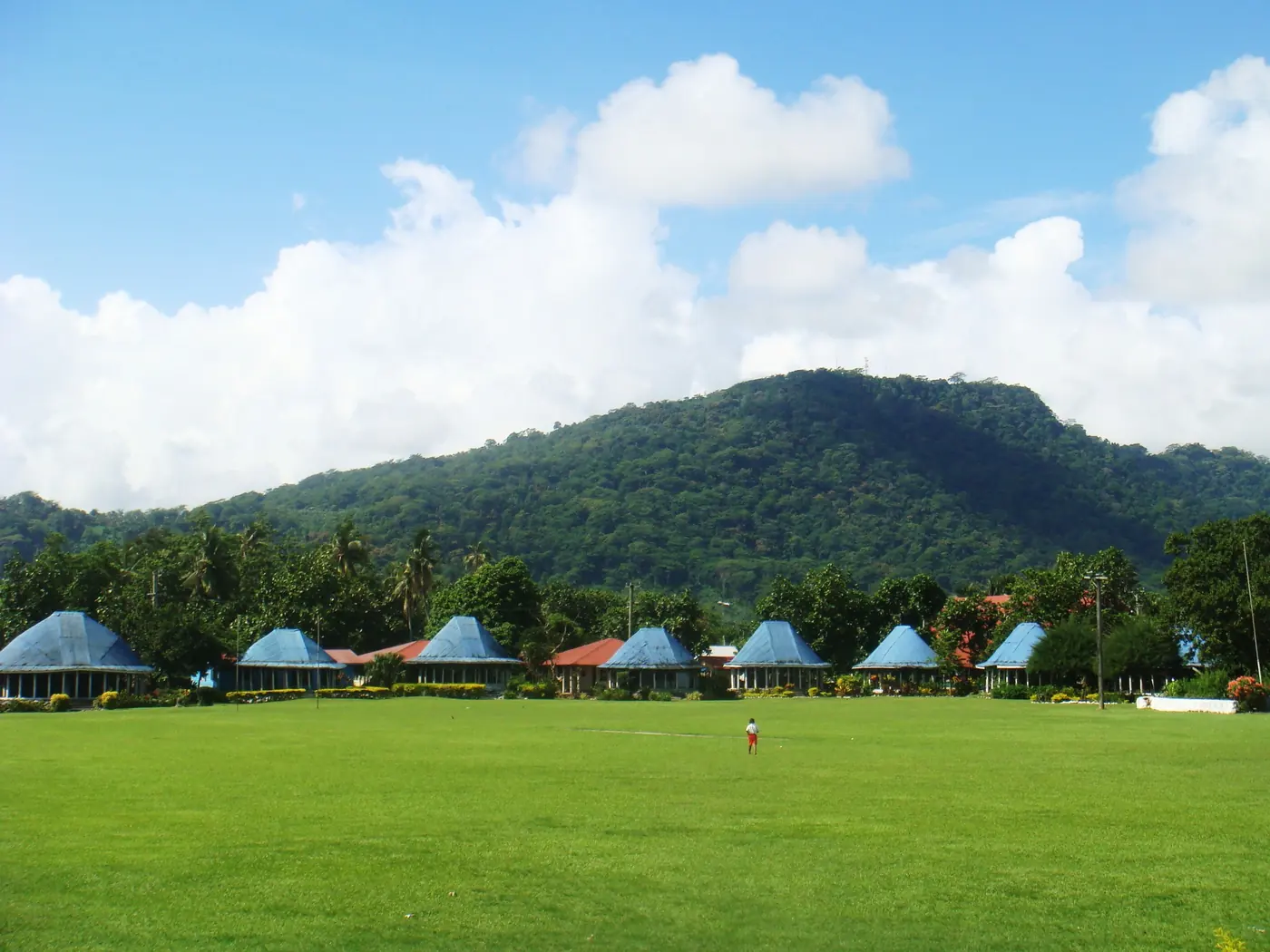
A fiafia night is an evening built around Samoan performance: a large shared meal, then singing and dancing, finishing with fire. Hotels and resorts across Samoa hold them for guests, and families and villages hold them for their own celebrations. If you are visiting Upolu and want to see Samoan dance, a fiafia night is where you will find it. This guide explains the word, the custom behind it, each of the dances you are likely to see, the food, and where to book one, drawing on the Samoa Tourism Authority, Wikipedia and the Viator listing for Le Manumea Hotel's Thursday show.
What the word means
Wikipedia gives the meaning of fiafia as a celebration, a get-together or simply happy. The Samoa Tourism Authority translates a fiafia night as a happy get-together night. Either way, the idea is a gathering where people come to enjoy themselves together, and that tone carries into the hotel shows: expect laughter, a compère who jokes with the tables and, at many of them, a turn on the floor for the audience. Fiafia is not a formal concert in a hushed theatre. It is closer to a party with a programme.
A custom of giving
Wikipedia's article starts with the fiafia of Tokelau, a ritual public occasion where two or more sides exchange gifts. Those gifts need not be objects: they can be skits, theatrical performances, food, money, speeches and clowning, but above all dancing. Fiafia are held after sporting contests, at the end of meetings, on saints' days and around Christmas. The same article says such celebrations also happen in Samoa, where the traditional form can still be seen on formal ceremonial occasions such as weddings, the opening of schools and churches, and award ceremonies. The tourism authority adds sporting events, saints' days and the Christmas period.
From village occasion to hotel evening
The version most visitors see is newer. Wikipedia says the more common form nowadays is a less formal fiafia night, usually a buffet meal with slap dancing and fire dancing. The Samoa Tourism Authority tells visitors they do not need to wait for a special occasion, because many hotels and resorts hold their own fiafia nights, some on Thursdays and others on Fridays or Saturdays. It suggests asking your accommodation what it offers before you book your trip, and its Apia page says to ask at the tourism information fale on Beach Road whether a fiafia night is on during your stay.
The siva
Wikipedia's article on Samoan culture calls the siva the traditional Samoan dance. The tourism authority describes it as slow and fluid, a graceful storytelling dance traditionally performed by a young woman, with subtle, flowing movements of the arms and hands while the dancer seems to glide across the floor. At a fiafia night the siva is the calm before the noise: the tourism authority says the entertainment usually begins with women performing it, before the pace picks up.
The fa'ataupati
The fa'ataupati is the slap dance. Wikipedia says Samoan men traditionally perform it in a group with no musical accompaniment, and the tourism authority explains why none is needed: the dancers clap, slap their bodies and stamp their feet in time with one another, and that beat is the only music. It describes performers in the traditional lava lava, and its dance page adds women wearing the puletasi, a two-piece garment. The tourism authority says the fa'ataupati is performed at weddings, church functions, birthdays and national celebrations, so a visitor who sees it at a fiafia night is watching something Samoans dance among themselves too.
The sasa
You may also see a sasa. Wikipedia describes it as a Samoan group dance usually performed seated, with precise, rhythmic claps and intricate hand movements; the word means to strike. The movements depict daily life: fish in the water, birds in the sky, cooking the umu, cleaning the house, paddling a canoe. Wikipedia says the group often mimics the preparation of 'ava within the dance, and that a sasa begins with a call for the group to bow their heads. Watch the hands: the precision comes from many dancers moving as one.
Siva afi, the fire knife dance
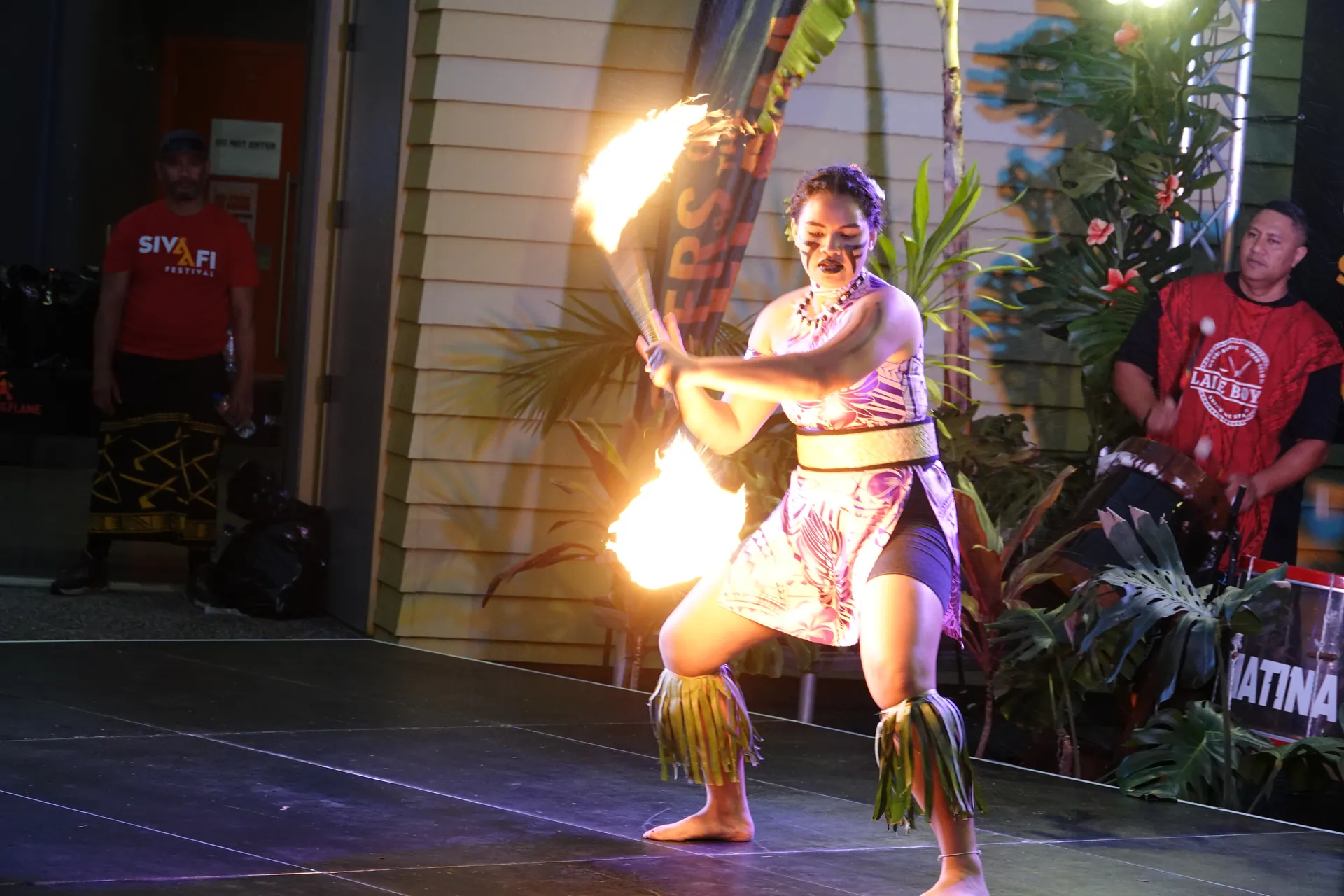
Siva afi is the dance everyone waits for. The Samoa Tourism Authority describes young men or boys twirling a large knife with flames at both ends around their bodies to the beat of a wooden drum, and notes that women can take part too, often with ceremonial knives. According to Wikipedia, the first fire knives were machetes with cloth bound and lit at each end, and the dance descends from the ailao, the showpiece in which a Samoan warrior spun his club. At most fiafia nights it is the finale, and at Le Manumea the listing confirms it closes the show.
The taualuga
Wikipedia calls the taualuga the apex of Samoan performance art and says it is often the grand finale of an evening of entertainment or the closing dance at weddings and other celebrations. Its name borrows the final step in raising a fale, fixing the highest rafter in place, so the word itself carries the sense of a big job brought to completion. By custom the dancer is a chief's child, a daughter or a son. The tourism authority says a fiafia night usually ends with this final dance, and that guests may get the chance to join in and learn a few moves. Programmes differ from hotel to hotel, so treat this as the usual pattern, not a promise.
How a hotel fiafia night usually runs
Put the pieces together and most hotel fiafia nights follow a similar shape, according to the Samoa Tourism Authority. Guests arrive and eat first, from a generous buffet. The entertainment then usually opens with women dancing the slow siva. The pace rises with the men's fa'ataupati, the slapping and stamping building a rhythm without instruments. The fire knife dancers bring the high point, and the evening often closes with the taualuga, when guests are invited up to learn a few steps. Each hotel adds its own touches, from a comic host to dances of other islands, so read the listing for the evening you choose.
The food
The tourism authority says you will find a large feast at any fiafia night, most of it cooked in a traditional umu, an above-ground oven made with hot volcanic rocks, where meat, seafood and vegetables are flavoured with coconut cream and wrapped in banana leaves. Wikipedia's article on Samoan culture describes the Sunday umu that many families share, with dishes from a whole pig and crayfish to baked taro. At a hotel fiafia the meal is usually a buffet, and at Le Manumea the listing confirms a buffet dinner before the show, with drinks bought separately.
Fa'a Samoa behind it all
Fiafia nights are a window onto fa'a Samoa, the Samoan way. Wikipedia describes it as the language, customs and culture that make up the traditional and continuing Polynesian lifestyle of Samoa, with its system of chiefs, the fa'amatai, at the centre. Respect for elders and for people in authority runs through it, and hosts take responsibility for their guests. You will see some of that in the 'ava ceremony, where Wikipedia says the order in which people are served follows their rank, and in the care with which the dancers present each piece.
Where to see one on Upolu
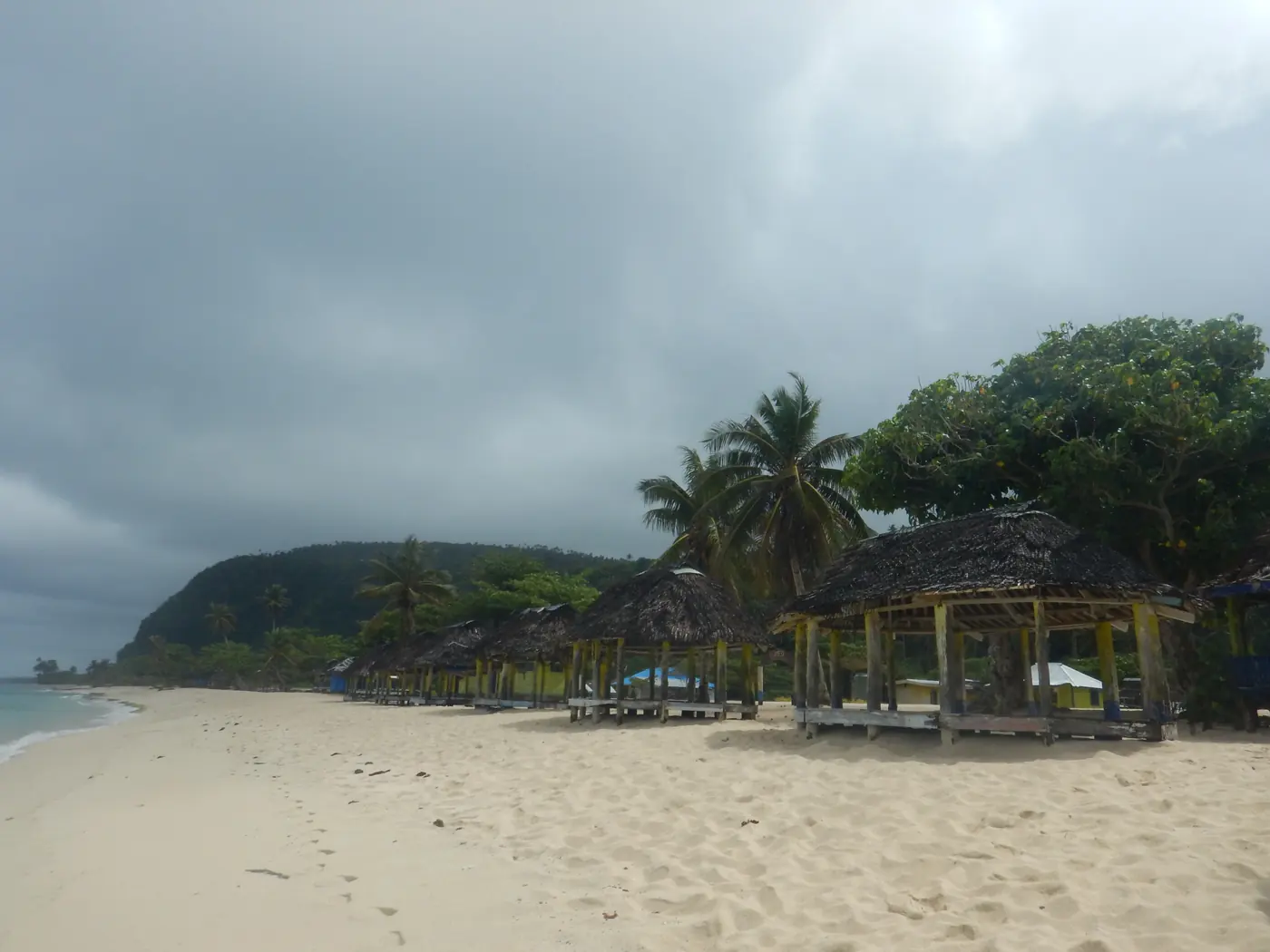
Le Manumea Hotel in Vailima, on the Apia side of Upolu, holds its Island Show Fiafia Night every Thursday and sells it through Viator: a buffet dinner, then an hour and a half of action songs, chanting, legends, an 'ava ceremony, a lava lava demonstration, dances from the Cook Islands, Hawaii, Tahiti and more, and siva afi to finish. The tourism authority also lists a weekly fire knife dinner show by the Ailao Club at Matautu-Tai in Apia, and many resorts run their own on other nights. Ask your hotel which ones fall during your stay.
What to wear and bring
Nothing special is needed. Hotel fiafia nights are relaxed, and light clothes suit Samoa's warm evenings. Wikipedia's article on Samoan culture says everyday wear is often a lava lava and a T-shirt with jandals, and you will see the lava lava on stage too, so wearing one is a friendly touch rather than a costume. Bring a little cash or a card for drinks, which are often sold separately, and something light for rain, since Le Manumea's show goes ahead in all weather.
Being a good guest
A few habits go a long way. Arrive on time, since the show starts after dinner and the buffet is the first part of the evening. Clap along when the dancers invite it, and if you are asked up for the last dance, go: being pulled onto the floor is part of the fun, not a test. Ask before photographing people up close, and keep the flash off during the fire knife dance. Outside the hotel, the tourism authority reminds visitors that Samoans expect guests to respect local customs, and Wikipedia notes the short evening prayer curfew that most villages keep.
Frequently asked questions
What does fiafia mean?
A celebration or happy get-together. The Samoa Tourism Authority translates a fiafia night as a happy get-together night.
Is a fiafia night only for tourists?
No. Wikipedia says the traditional fiafia still takes place at weddings, the opening of schools and churches and award ceremonies. Hotel fiafia nights are the visitor-friendly form.
Which nights are fiafia nights held?
It depends on the hotel. The tourism authority says some hold theirs on Thursdays and others on Fridays or Saturdays. Le Manumea Hotel holds its show on Thursdays.
Sources
- Fiafia, English Wikipedia
- Samoa Tourism Authority: What are Samoan fiafia nights?
- Samoa Tourism Authority: Samoan dance
- Samoa Tourism Authority: Apia, the capital of Samoa
- Samoa Tourism Authority: Siva Afi Entertainment dinner show
- Wikipedia's article on the culture of Samoa
- The sasa, English Wikipedia
- Taualuga, English Wikipedia
- Fire knife, English Wikipedia
- Fa'a Samoa, English Wikipedia
- Viator listing 115797P1, Island Show Fiafia Night at Le Manumea Hotel, read through the partner data and the product page on 28 November 2026